
A selection of my work.
My work spans co-design, facilitation, learning design, strategic design, and research across the education, health, community, and social sectors. I work with organisations and communities tackling systemic problems in creative ways, using participatory methodologies that treat people as the experts in their own experience.
Revolutionising community pain education
Chronic pain is one of the most misunderstood and under-treated conditions in Australian healthcare. But the most effective treatment for chronic pain is simple: high-quality, evidence-based pain education.
With Pain Revolution and Adelaide University, I worked alongside healthcare workers, researchers, and community members to co-design a world-leading pain education and community development initiative: Community Pain Champions. The program equips healthcare workers to deliver pain education in their communities, empowering people with knowledge and application of modern pain science, and reaching people that the healthcare system consistently fails to reach.
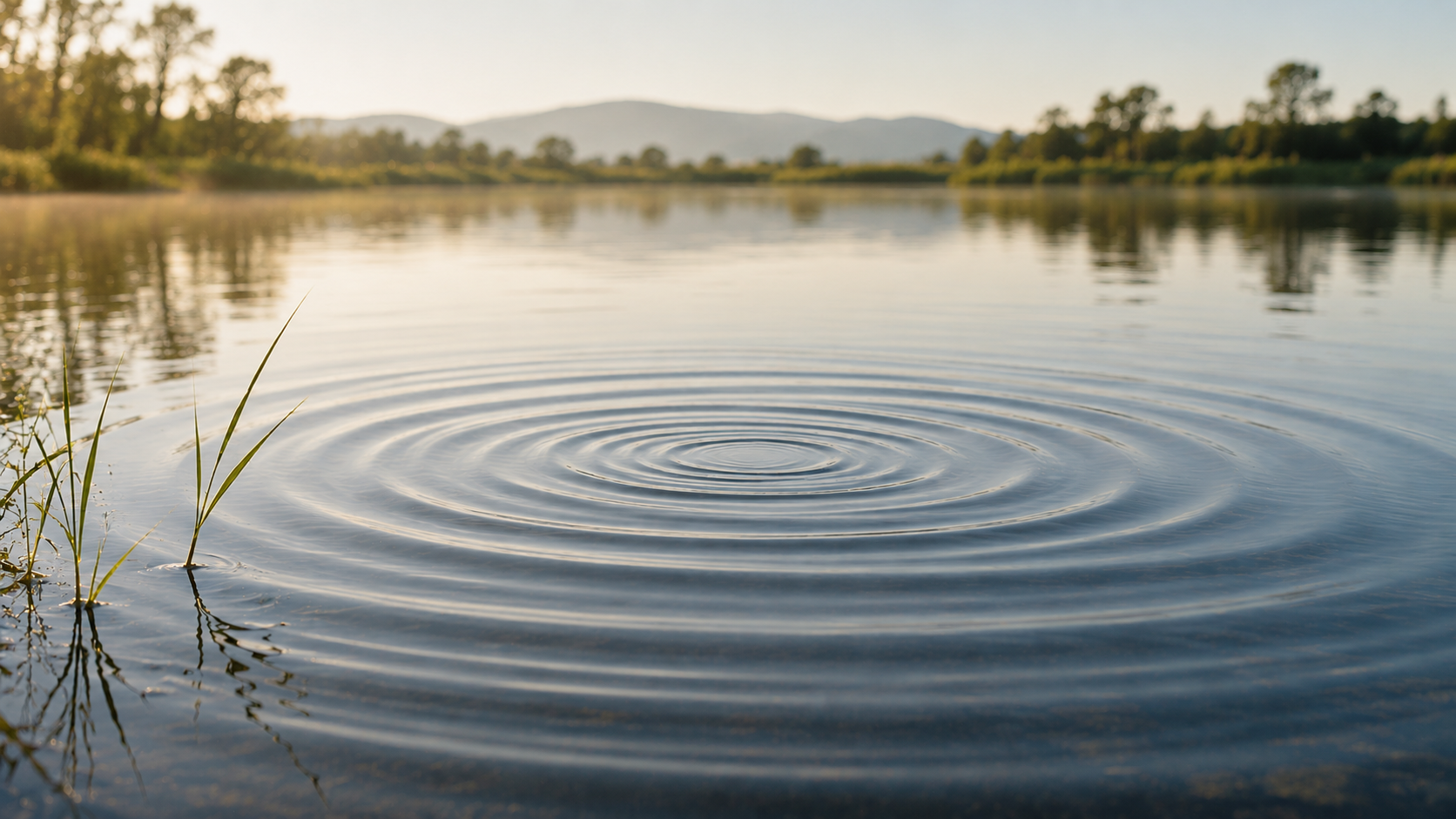
The result? A ripple effect, where people spread the word about effective pain management and recovery, advocate for evidence-based approaches in their workplaces, and form peer-to-peer practice groups.
Co-designing trauma-informed care
This project sits at the intersection of community co-design, feminist research practice, and institutional reform. Working with the Royal Women’s Hospital and the University of Melbourne, I led a complex, ethics-intensive co-design project with victim-survivors of domestic, family, and sexual violence. I conducted research, and designed and facilitated workshops to generate ideas for service design and improvement, supporting the hospital to become more trauma-informed in its care.
The project produced a best-practice framework for trauma-and-violence-informed co-design in hospital and healthcare settings, co-authored with victim-survivors. It is the kind of work that only holds together when research rigour, trauma-informed practice, and genuine power-sharing operate simultaneously — and when the people most affected by a system (and who have historically suffered in its care) are treated as experts and leaders in its redesign.
Helping the helpers face climate change
Mental health practitioners are increasingly working with people experiencing climate grief, eco-anxiety, and the psychological weight of living through ecological breakdown — often without adequate frameworks or the training to do it well.
With Psychology for a Safe Climate, I co-authored the PSC Capability Framework for Climate-Aware Practice: an Australia-first framework structuring eight capability domains across a developmental progression for mental health practitioners, trainers, and educators.
I then led the design and delivery of a professional development program — an online course and live workshop series — using feminist, posthumanist, and embodied learning principles to shape how the program was built and delivered.
Reshaping the story of creative education
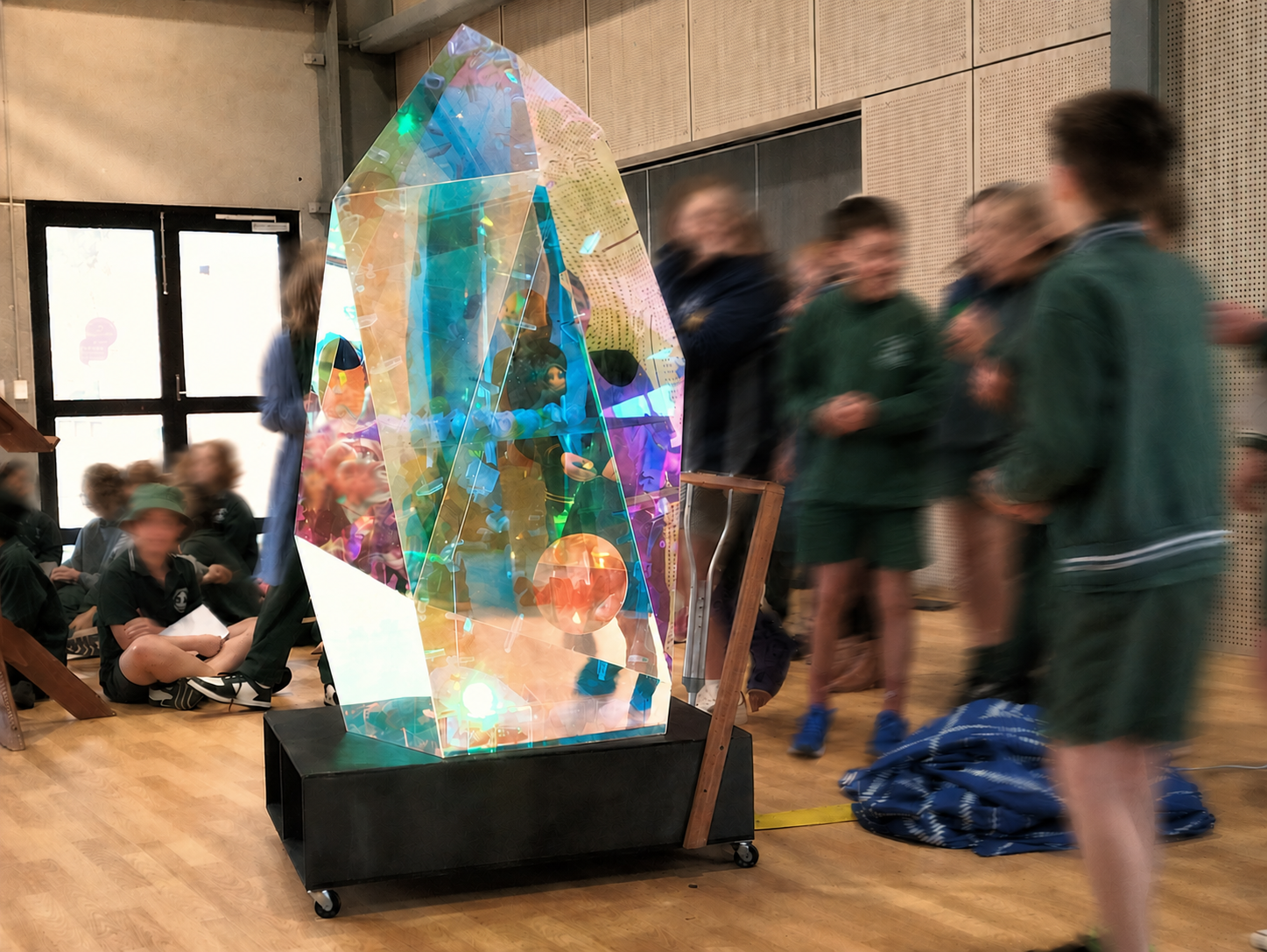
100 Story Building works with children and young people in Melbourne's west, many of who are being failed by mainstream education — those for whom the standard story about learning has never fit.
Over multiple years I designed, delivered, and evaluated creative learning programs to children, young people, and educators. Our methodology brought together creative arts methodology and community development practice, resulting in learning experiences that improved literacy outcome and student engagement — and sparked hundreds of epic stories.
The cornerstone of this work was Story Hubs, a whole-of-community program that embedded place-based, participatory learning across metropolitan and regional Victoria. This work work founded on a deep belief that creativity is not a supplement to learning, but its beating heart.
Researching new ways of thinking, doing, and being
My research practice sits at the intersection of feminist theory, trauma studies, and creative methodologies. I use these things to express embodied experience, trouble oppressive systems, and imagine liberatory futures.
My PhD dissertation — awarded the Mollie Holman Prize for Most Outstanding Thesis at Monash University — examined performative writing as a methodology for writing the embodied felt sense of women's trauma, drawing on French feminisms, feminist new materialism, and affect theory.
As an adjunct researcher at Wonderlab, Monash University's transdisciplinary co-design research lab, I work across a few active active threads: co-creative methods for imagining the future; trauma-informed co-design; climate psychology and community development; and connections between feminist, queer, and posthumanist theory and applied practice.